
The nature of luck in gambling
Luck is an intrinsic element of gambling, often viewed as the mysterious force that influences outcomes beyond a player’s control. Whether participating in a game of chance or strategy-based betting, luck plays a significant role in determining who wins and loses. For instance, many players enjoy exploring online pokies australia to experience the thrill of luck in action. The unpredictable nature of luck adds to the excitement, as it can elevate an ordinary gamble into a potentially life-altering experience. The element of surprise and uncertainty keeps players coming back, perpetuating the allure of games like poker, roulette, and slot machines.
In many gambling scenarios, players often rely on superstitions and rituals to invoke good luck. From wearing lucky charms to following specific routines, these beliefs reflect a deep-seated cultural connection to luck. For instance, one might believe that hitting a specific number will bring them fortune or that a certain color will sway chance in their favor. This psychological aspect highlights how integral luck is to the overall gambling experience, influencing not only the outcomes but also the mindset and behavior of participants.
Additionally, the concept of luck varies across different cultures and regions. Some traditions embrace the idea of fate and predestination, suggesting that outcomes in gambling are preordained. Others place a more significant emphasis on personal agency and skill, arguing that while luck is present, strategic thought and experience can mitigate its sway. This dichotomy illustrates that while luck is a common thread in gambling, players’ perceptions of it can deeply impact their approach and overall enjoyment of various games.
The scientific perspective on chance
The role of chance in gambling can also be examined through a scientific lens, particularly through the study of probability and randomness. Every game, from traditional card games to modern slot machines, operates on mathematical principles that define the odds of winning. Understanding these probabilities can inform gamblers about the likelihood of specific outcomes, although it does not eliminate luck’s influence. For example, in games like roulette, the odds are fixed, but the actual outcomes remain unpredictable, illustrating that chance governs the results.
Moreover, the gambler’s fallacy is a fascinating psychological phenomenon that sometimes misleads players. This fallacy occurs when individuals believe that previous events can influence future outcomes. For instance, a player might think that a certain number on a roulette wheel is “due” to come up after several spins without it appearing. This erroneous belief highlights how luck and chance can lead to irrational decision-making, emphasizing the thin line between strategic betting and the randomness that governs the games.

Research in behavioral economics also sheds light on how people react to the role of luck in gambling. For instance, studies have shown that winners often attribute their success to skill, while losers frequently blame luck for their misfortunes. This insight into human psychology reveals how deeply embedded the concepts of luck and chance are in gambling culture, shaping players’ experiences and influencing their future gambling behaviors.
The emotional highs and lows of gambling
The emotional landscape of gambling is profoundly influenced by the role of luck. Winning can lead to euphoric highs, where players may feel invincible and believe that their luck will continue indefinitely. This phenomenon, often referred to as a winning streak, can encourage more reckless betting as individuals chase the thrill of victory. On the other hand, losing can evoke feelings of despair, frustration, or even shame, as gamblers grapple with the unpredictable nature of chance. The emotional rollercoaster of gambling is thus tightly linked to luck, making it a powerful driver of human behavior.
Additionally, the thrill of the unknown is a significant attraction for many gamblers. The suspense that accompanies games of chance, whether it’s the spinning of a wheel or the flipping of cards, creates an atmosphere charged with excitement. Players are often drawn to the possibility of hitting a jackpot or achieving a life-changing win, driven by hopes and dreams that luck may fulfill. This emotional engagement adds depth to the gambling experience, making it not only about monetary gain but also about the exhilaration of chance.
However, it is crucial to recognize that the dependence on luck can lead to adverse effects, particularly for those prone to gambling addiction. The belief that luck will eventually turn in their favor might compel individuals to chase losses, further entrenching them in a cycle of despair. Understanding these emotional dynamics is vital for both players and support systems, emphasizing the need for awareness and responsible gambling practices as they navigate the unpredictable waters of chance.
The role of skill vs. luck
The ongoing debate between the roles of skill and luck in gambling has persisted for centuries. In some games, like poker, skill plays a crucial role in long-term success, as players must employ strategies, psychology, and game theory to outmaneuver their opponents. This skill element can create a false sense of control over luck, as adept players may believe they can consistently win due to their expertise. However, even the most skilled player cannot escape the fact that luck can dramatically shift the tide in a single hand or round.
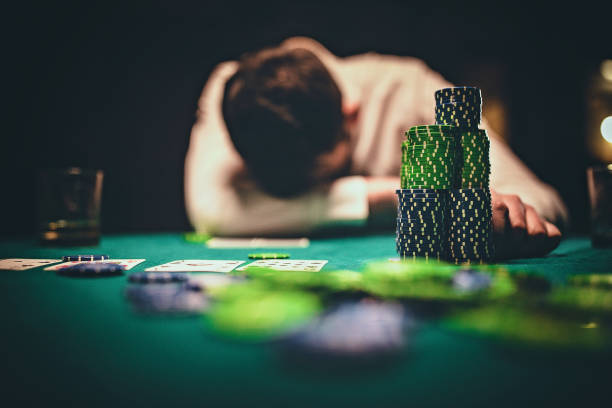
Conversely, games of pure chance, such as slots or bingo, leave players entirely at the mercy of luck. In these scenarios, no amount of strategy can influence the outcome, making the experience purely about chance. The randomness of these games often leads to a more casual approach to gambling, where players focus on enjoyment rather than competition. This distinction highlights how different types of gambling rely on varying balances of luck and skill, affecting players’ attitudes and behaviors.
Ultimately, the interplay between skill and luck in gambling enriches the experience, as players navigate this complex landscape. Skilled gamblers may rely on their abilities to enhance their winning potential, yet they must also recognize that luck can turn the tables at any moment. The acceptance of both elements can lead to a more balanced approach, where players appreciate the thrill of chance while also honing their skills to maximize their enjoyment and success.
Understanding gambling and its implications
Gambling, as an age-old practice, has significant social and economic implications that extend beyond individual players. The integration of chance into gambling activities shapes not only personal experiences but also industry trends and market dynamics. As the gambling sector continues to evolve, understanding the role of luck remains essential for stakeholders, including regulators, operators, and players. The unpredictability of chance contributes to the diverse landscape of gambling, with new forms emerging, such as online platforms and mobile betting applications.
Moreover, the gambling industry must navigate the delicate balance between entertainment and responsible practices, given the powerful influence of luck and chance. Operators are tasked with providing a safe environment while ensuring that the allure of luck does not lead to irresponsible gambling behaviors. This responsibility extends to player education, encouraging individuals to recognize the impact of luck on their experiences and to engage in responsible gambling measures.
In conclusion, the role of luck in gambling is multifaceted, affecting personal experiences, industry practices, and broader societal trends. By fostering an understanding of luck’s complexities, all participants in the gambling ecosystem can contribute to a more informed and balanced approach to this popular pastime. Players who grasp the significance of luck while remaining aware of their limits are more likely to enjoy gambling responsibly, thereby enriching the overall experience.